

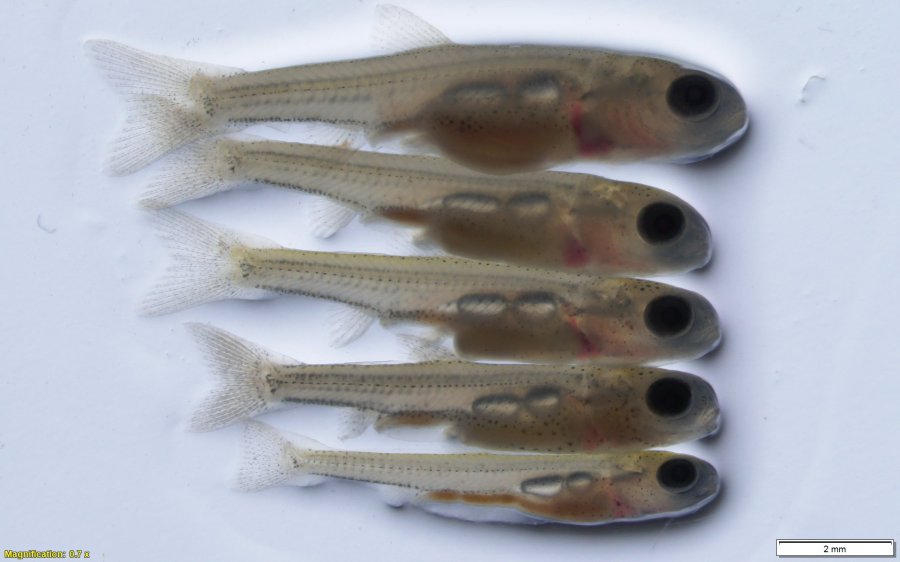
Contemporary concentrations of microplastics in aquatic ecosystems correlate with molecular stress responses in fish
Microplastics, pervasive pollutants with widespread ecological impacts, affect organisms across ecosystems. Prior work suggests microplastic exposure influences behavior, reproduction, feeding, and metabolism in a number of organisms. To delve into the molecular responses to microplastics, the Meek Lab, along with Dr. Kennedy Bucci and Dr. Chelsea Rochman from the U of Toronto, collaborated on a project determining the effects of microplastics (both pre-consumer and environmental) on fathead minnows (Pimephales promelas). We exposed fathead minnows to varying treatments, representing current and future conditions of pre-consumer and Lake Ontario-sourced microplastics.
Our study aimed to answer key questions:
- Does microplastic exposure significantly alter gene expression?
- If so, do these effects vary across plastic concentrations and sources?
Results revealed evidence of metabolic stress-response changes in fish exposed to microplastics compared to controls. Intriguingly, the impact on gene expression was more pronounced in female minnows than males. Several differentially expressed genes interacted with estrogenic chemicals linked to plastics, reinforcing the idea that microplastics induce molecular effects on exposed organisms.
Given the fathead minnow’s significance as a toxicological model species, our findings extend implications to aquatic species and ecosystems at large. This study underscores the critical importance of comprehending the multi-level biological impacts of microplastic exposure, from cellular to population and community levels.
Paper coming soon!
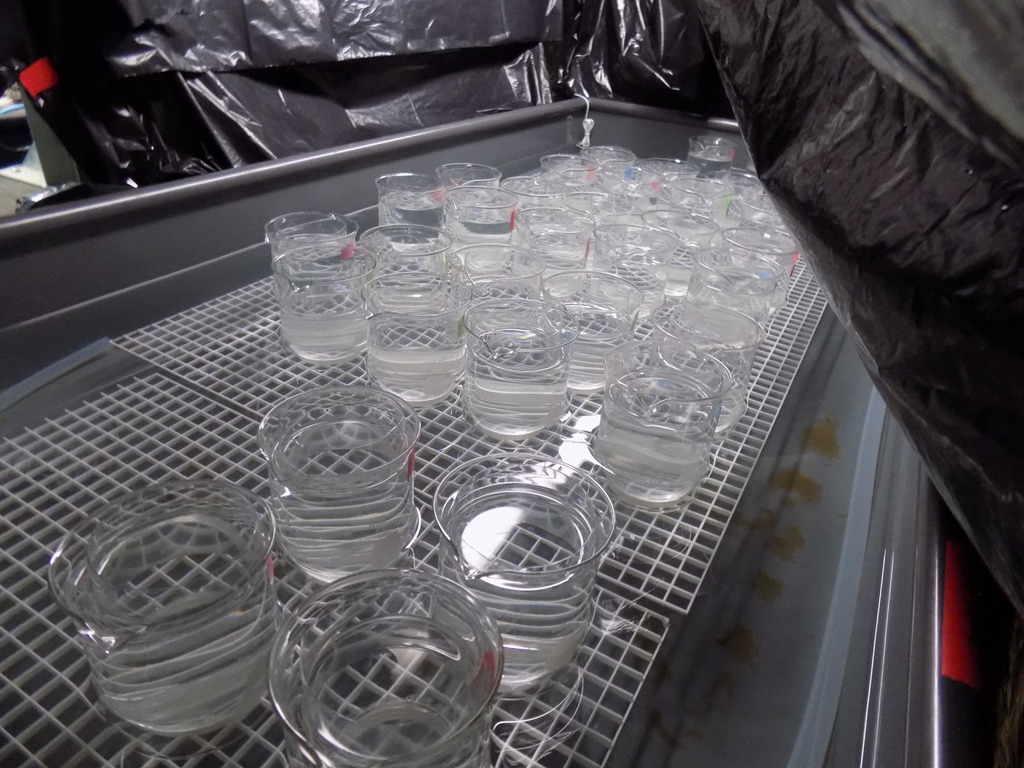

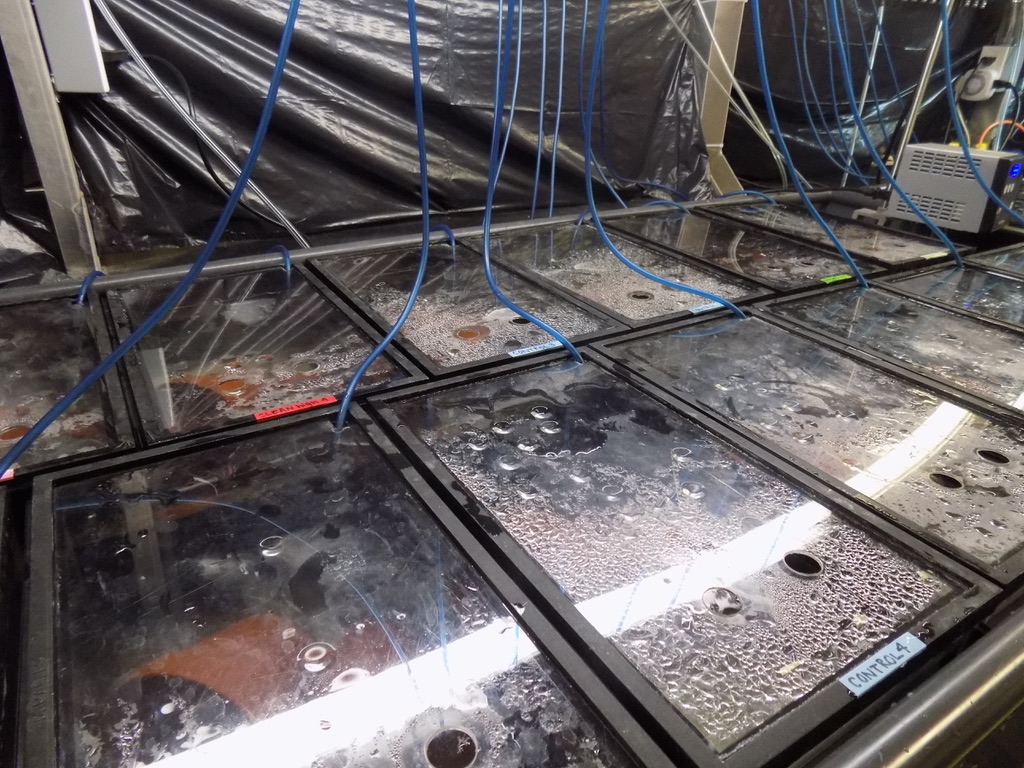

Microplastic exposure is associated with epigenomic effects in the model organism Pimephales promelas (fathead minnow).
Gene methylation, a heritable form of molecular regulation sensitive to environmental conditions, offers insights into potential chronic consequences of microplastic exposure. We raised the offspring of the minnows above without microplastic exposure to investigate generational changes in gene modification correlated with microplastic exposure. Our questions included:
- Are there changes in methylation due to microplastic exposure?
- How does the effect vary by plastic origin and concentration?
- Are there transgenerational effects of microplastics on methylation patterns?
Utilizing reduced-representation methylation sequencing on adult liver tissue and larvae, we explored DNA methylation variations across treatments, sexes, and generations. Results revealed that the origin of the plastic had a more pronounced effect in female minnows, whereas concentration impacted males more significantly. Additionally, we found transgenerational effects illustrating the ability of parents to transmit the impacts of microplastic exposure to their offspring. We identified many differentially methylated genes associated with estrogenic chemicals tied to plastics and metabolism, further emphasizing the persistent and potentially severe impacts of microplastic pollution on gene regulation in freshwater systems.
See my AGA blog post for a bit more information on this part of my work.
The research article is live! check it out here as well as my EECG Epilogue Blog Post.
 'Omics in the Anthropocene